Week #26 Articles {June 7 '21}
- The Bulletin Buzz

- Jun 7, 2021
- 15 min read
Articles by Ananya Nayar and Misaki Tomiyama

Order of articles-
Articles-
Kids Articles-
Articles
What are economic sanctions?
Article by Misaki Tomiyama

By many governments all over the world, economic sanctions have become a useful tool to deal with foreign policy challenges, but many are beginning to wonder whether economic sanctions are useful foreign policy tools.
First, let’s talk about foreign policies. Foreign policy refers to the general objectives formulated to carry out efficient and strategic diplomatic negotiations. Foreign policies help and guide the relationships between different countries and states, and help maximize a country’s national security, economic and other national interests.

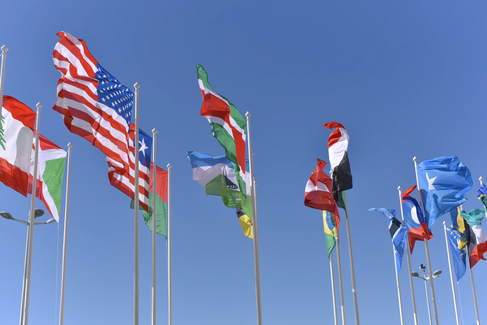


Economic sanctions are the withdrawal of trade and financial relations for mainly security purposes (and foreign policy purposes.) Sanctions can include a variety of things such as boycotts of the target country (boycotts can include refusing to buy products from the country, and selling products to the country), freezing financial assets of a target country, stopping trade relations, arms embargoes and travel bans. These can affect a target country a lot if the sanctioner (the country imposing the economic sanction) is powerful in terms of economy and politics.
An example of an ongoing economic sanction is the U.S. sanction to Cuba. In the late 1950s, Fidel Castro, Former President of the Council of State of the Republic of Cuba, rose to power. The U.S. wanted to overthrow the Cuban communist government and make it democratic. The U.S. then decided to stop the selling of arms to Cuba, which escalated, and the U.S. eventually stopped selling any exports to Cuba, which then escalated further to a point where the U.S. stopped any purchase from Cuba. It has been more than 50 years, but Cuba is still a communist country.

So, what determines whether sanctions can be successful, or are effective? A sanction is more likely to be effective and successful if-
The goal of the sanction is small and easy to achieve, for example, obtaining a release of a political prisoner is easier to achieve than changing a country’s government system.
More than one country imposes sanctions on the target country. When many countries decide to place sanctions on a single country, it is called multilateral sanctions.
The sanction negatively impacts the target country more than the sanctioner. There is a very less success rate if the country imposing the sanction gets negatively affected by the sanction they impose on the target country. For example, if a country imposes a sanction on a country that produces a lot of oil, it might hurt the sanctioner, since they will not be able to obtain the oil from the target country. This is why sanctioners are reluctant to impose sanctions on specific countries at times, for example, Nigeria, which produces a lot of the world’s crude oil.
The target country’s government puts a lot of effort into responding to the needs of its citizens. In a democratic country, governments have to respond to the needs of the citizens, because democracy is a government in which the citizens' opinions come first. However, in a dictatorship, the government will do less to respond to the citizens, as they have the utmost power.
Economic sanctions can be very useful, but countries need to think carefully before actually imposing them. Although very powerful and effective at times, economic sanctions do not always work, and there are factors, as mentioned above, that determines its success. Nonetheless, many countries believe in its effectiveness and use it as foreign policy tools in today's world.
Why Can Rainbow Washing Be Harmful?
Article By Ananya Nayar
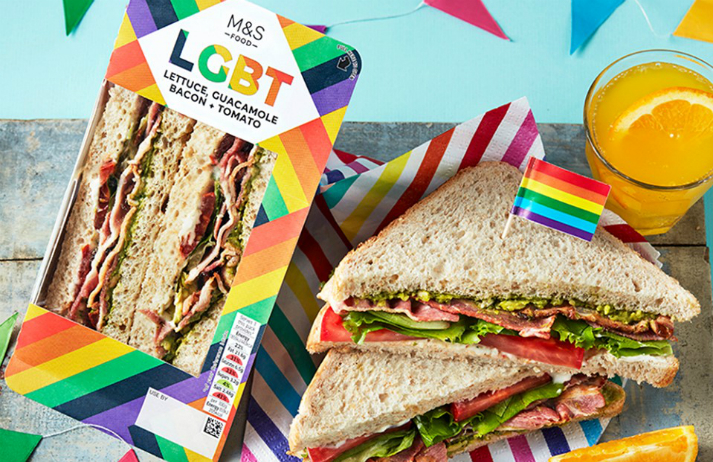
Rainbow washing in simple words is when brands, companies and organisations extend themselves to show solidarity to the LGBTQIA+ community during Pride Month (in June.)
They may change their logos, front-door pictures, website colours, introduce more products etc that incorporate the LGBT rainbow in hopes of gaining capital.
Companies and brands change their social media logos to be rainbow coloured during June, or they highlight LGBTQ+ employees only during pride month or sell Pride merchandise, share the Pride flag during only June.

The best way to show allyship to the Pride community is to support everyone all year long.
These rainbow-themed products are used only to appeal to their audience whilst hypocritically being linked to systems and ideas that harm the trans or queer community or exclude them.
Some of these oppressive systems include fossil fuel sectors, private prisons etc and these all come back to violence on the Queer or Trans community. In the past, some companies have even donated to anti-LGBTQ+ organisations.
Much of the funds collected by rainbow washing do not even end up going towards the lgbtq+ community. For example, the LA Pride Parade in 2019 generated 74+ million dollars, however, nobody knows where all the money went to.
Rainbow-washing allows people and governments, even corporations that don’t support the LGBTQ+ community during the other months of the year to put a rainbow on their bags, shoes and food packages during June and call it an allyship.
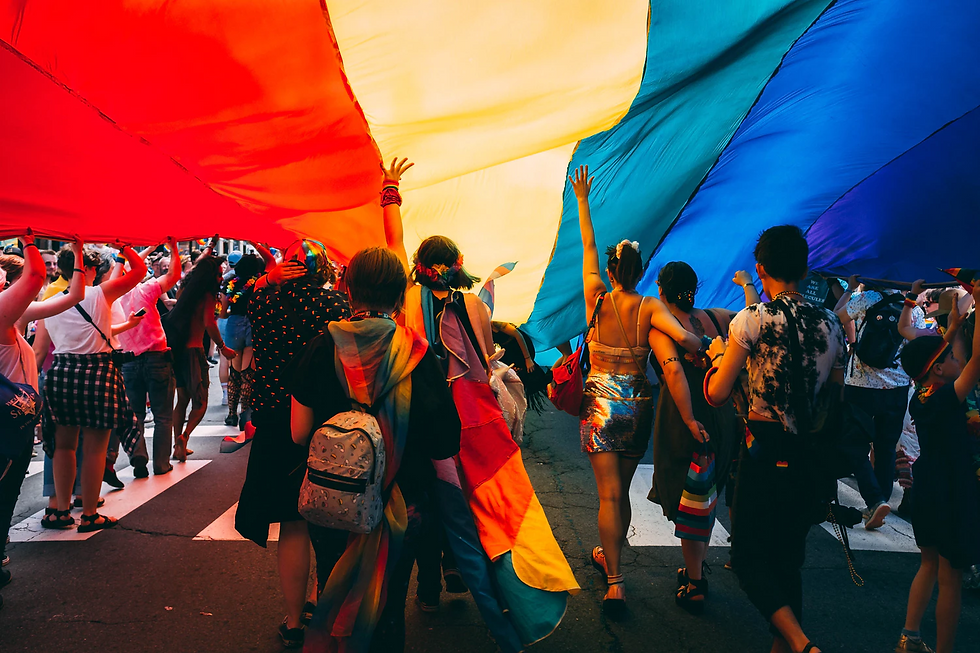
The issue with rainbow-washing is that the rainbow symbol (used for pride) has become generic and meaningless since anti-LGBT organisations can put a rainbow and as said, call it allyship. This consequently, removes all the history and meaning behind the rainbow.
If you are using the logo on your products, at least be an active supporter- donate to queer charities, use your platform to address issues and do something for the community rather than use it to profit during pride month.
Although pride month is supposed to celebrate members of the community, along with promoting liberation and fluidity, it’s become highly capitalized, especially in the last decade.
Pride merchandise you see in stores is made in countries like China where it is illegal to be gay or trans, or where trans persons face violence.
Don’t capitalize the rainbow flag for your profit, don’t pretend to be an ally and then not pay up to charities and instead donate to Anti-LGBTQ+ organisations. Do something, instead of commodifying the pride community with performative activism.
Effects of Advertising Harmful Products (such as Tobacco and Alcohol)
Article By Misaki Tomiyama
We see advertisements every day- on TV, social media, magazines, newspapers, posters and so much more.

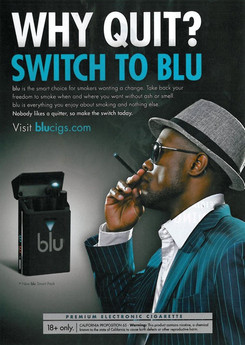

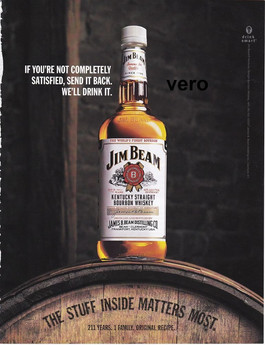


Advertising usually has three objectives, they want to inform the viewer about their product, persuade and remind them. Advertisements inform their audience they have a certain product, make the product seem attractive and persuade the audience to buy it and remind them of buying the product.
Oftentimes, companies advertise alcohol and tobacco, which are harmful and addictive products. Is this bad, and have negative effects on society, especially minors, or are they helping the economy and ultimately doing good to society? Well, let’s discuss this in this article.
First, let’s discuss how advertisements for tobacco and alcohol can be negative.


Advertisements depict alcohol consumption and tobacco as attractive and acceptable by using famous actors or models in their adverts. This may create a feeling amongst the audience that alcohol and tobacco are ‘cool’ and creates relaxation, refreshment etc, which may be true for some people, but misleading.
This will promote poor health within the society. By advertising these products, society will develop poor habits of drinking. These products are harmful and have the capability of causing diseases such as cancer, lung and heart diseases etc. Also, alcohol consumption is a major factor that leads to a lot of car accidents. “In 2016, 10,497 people died in alcohol-impaired driving crashes, accounting for 28% of all traffic-related deaths in the United States.” - cdc.gov
Another factor to consider is how these advertisements can cause underage drinking and smoking. Adolescents get easily influenced by TV commercials and many might find the advertisements on TV very glamorous. Many minors will want to try these products, and this will lead to underage drinking and smoking, which is again, not good for their health. Teens’ brains are still developing, so alcohol can cause permanent damage to their brains, impacting the part of the brain that controls judgement, control and memory. Furthermore, they are addictive substances, and once consumed, are difficult to stop.
So, what if governments completely ban the advertising of these products. It will decrease alcohol and tobacco consumption by society, but it will surely bring some economic damage. Tobacco and alcohol make up a huge part of the taxes sent to the government. If they are not advertised, their sales will go low, and this will negatively impact the economy.
Also, many people who believe alcohol and tobacco should not be banned say that people barely pay attention to advertisements, and do not negatively impact people, so advertising should not be banned. Many also claim that there are better ways to encourage public health and safety rather than banning their advertisements which will negatively impact the economy, such as by providing better education to minors and spreading awareness and enforcing security for drunk driving etc.
Why are Gen-Z’s So Obsessed with Vintage & Sustainable Fashion?
Article by Ananya Nayar
During a typical Millenial’s youth, the luxury clothes in the fashion of the time would’ve been from brands like Prada, Dior, Gucci and other expensive designer brands.

For Gen Z’s it’s different- the latest luxury is to wear everything vintage.
Even Bel Jacobs said that ‘For Gen-Z, upcycled, reclaimed fashion is opening up a new sense of individuality and self-expression while helping to save the planet.’
‘The popularity of vintage has come through education, in response to fast fashion,’ quoted by Frank Akinsete.
We all know that global warming is a crisis, and this generation is supposedly most aware of the detrimental issues placed in our hands and it’s important to consider this especially as a young person. Vintage and sustainable fashion isn’t even about clothes anymore, it’s about conserving the environment, and the rising vintage trends are fueling it.
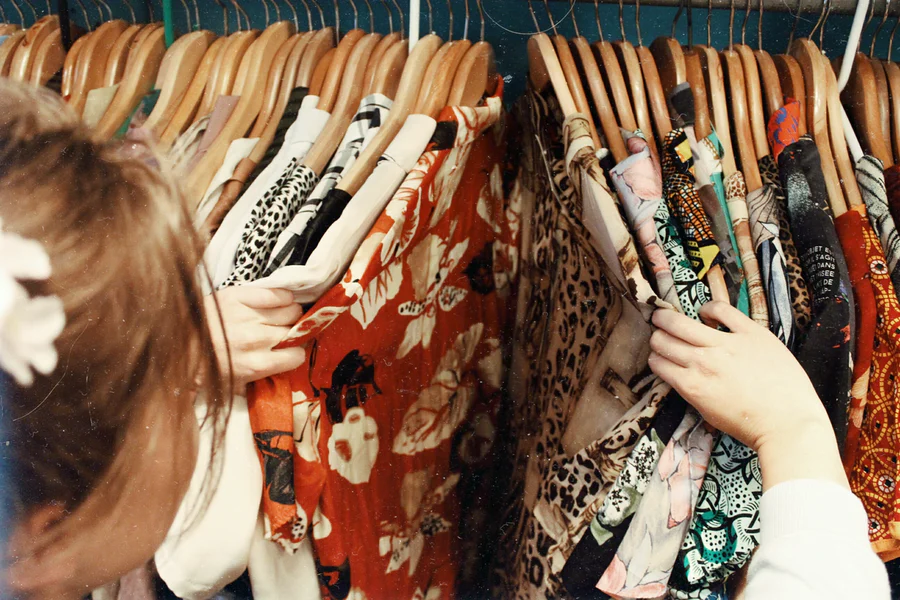
Gen Z shopping habits (including carrying trendy, printed tote bags to the grocery markets) are changing the shape of fashion and the future. Sites like depop, Etsy etc make it easier to sell handmade, sustainable, second hand or vintage clothes- and it’s cool.
This Week in History
Article by Ananya Nayar

On June 1st, 1980, CNN (Cable News Network) launched- it was the world’s first 24-hour television news network.
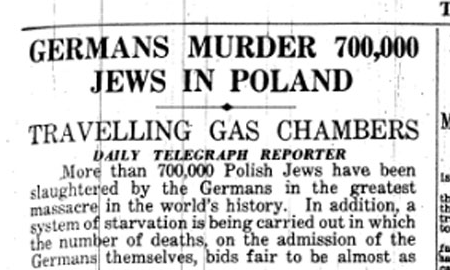
Also on this day, but in 1942, a Warsaw underground newspaper called the Liberty Brigade publishes the news that talks about how tens of thousands of Jews are being gassed. This was the first time the Holocaust killings and genocide became public.
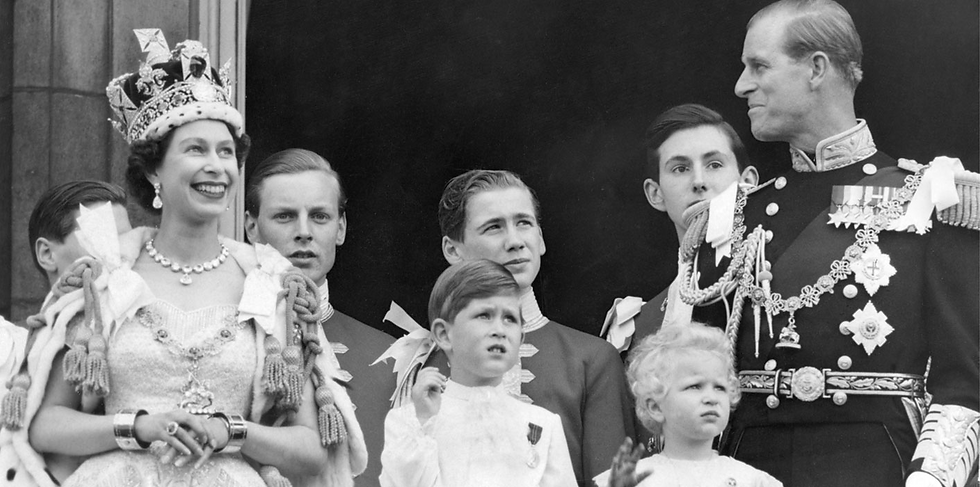
On the 2nd June in 1953, the Queen of England (Elizabeth the 2nd) was crowned Queen at her coronation in England. Thousands of guests and dignitaries attended the ceremony to crown the new monarch in Westminster Abbey, London.
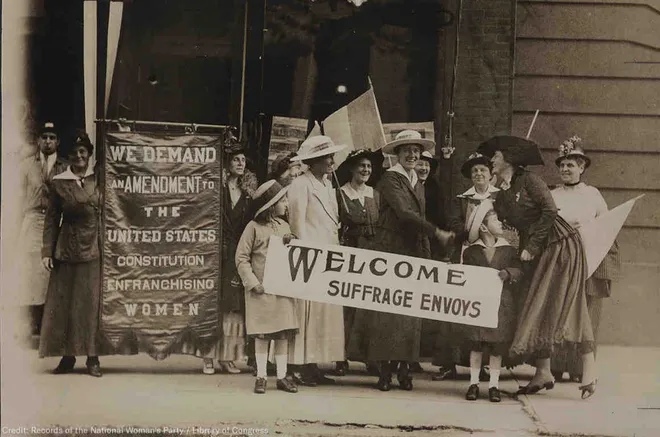
The US Congress passed the 19th Amendment on the fourth of June 1919, which in turn gave women the right to vote. The allied forces of Britain, America, France and Canada attacked the German forces on the coast of Normandy, at the south of France. The allies had a force of 150,000 soldiers and they attacked and gained victory over Germany- this then became a major turning point of the Second World War in Europe.
This Day (well month) Signifies
Article By Misaki Tomiyama
Did You Know? June is Pride Month!
This month aims to celebrate the freedom of the world’s LGBT communities, and honour the works people have done to try to achieve equal justice and equal opportunities for people of the LGBT community.
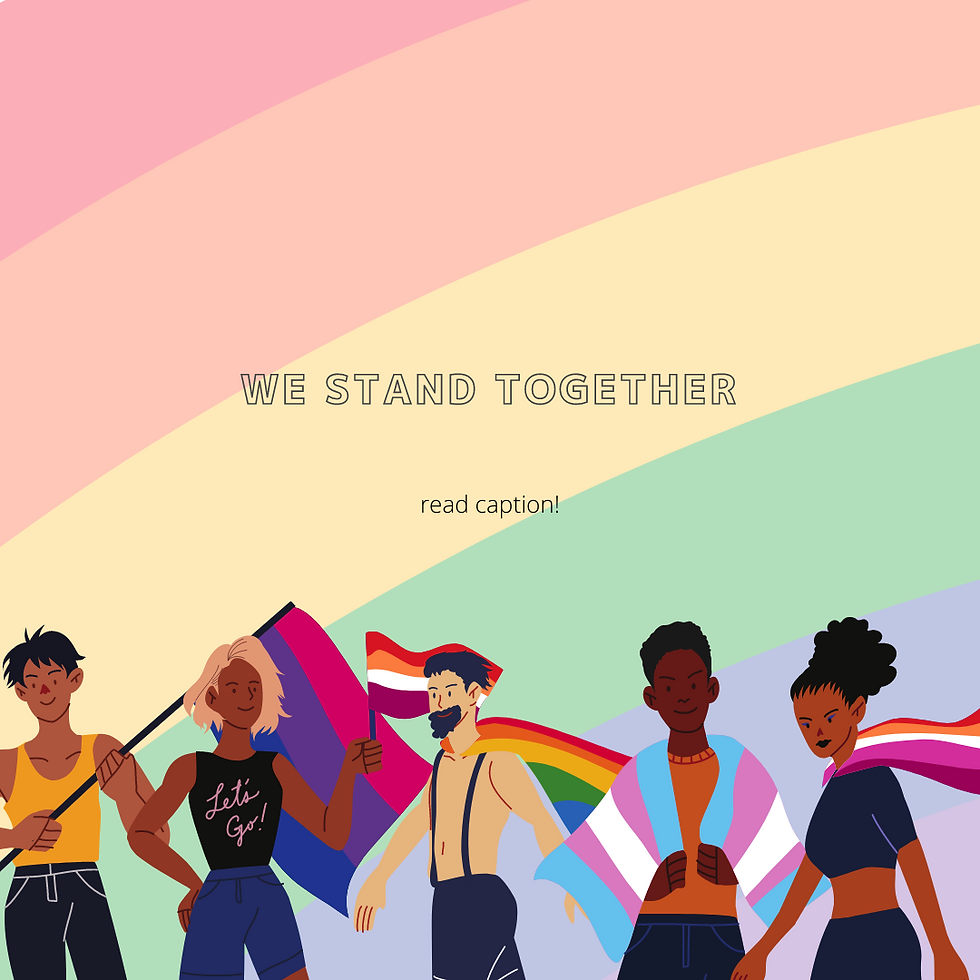
LGBT is an acronym of Lesbian, Gay, Bisexual and Transgender. It is sometimes also written as LGBTQ (Q-Queer) or LGBTQIA+ (I- Intersex, A- Asexual and (+)more). Queer refers to an umbrella term for non-straight people, intersex refers to those born with reproductive or sexual anatomy that doesn't fit the boxes of “female” or “male,” asexual refers to those who don’t experience sexual attractions, and there are more.
Also, pride month is also celebrated in order to acknowledge and honour 1969 Stonewall riots. In June 28 1969, there was a police raid in New York’s Greenwich Village in a gay bar. After this incident and harassments by authorities, New York’s gay community went on riots to fight for their rights. This gave rise to the awareness of emerging gay rights and movements. After a year after the riots, the United State’s first gay pride marches were held. The term pride came from a New York bisexual activist, Brenda Howard, who was called the “Mother of Pride.”
Here’s how you can celebrate-
Use hashtags- #LoveIsLove #PrideMonth #LGBTQ #Pride on social media, to spread awareness and love! (@the_bulletin_buzz has also posted a post on instagram, and twitter on #PrideMonth, click here to visit our insta and our post!)
If your friend/family/acquaintance is coming out, and telling you that they are LGBTQIA+, remember to be an ally, tell them you are proud of them for coming out and show them you support them.
If the coronavirus is not too serious, and you can go out, attend a pride event or parade! You can visit this website to check whether there are going to be any pride events in your city.
Educate yourself about the LGBTQIA+, if you read this article, awesome! If you want to learn more about the history, and about the Stonewall riots, visit history.com and if you wish to learn about pronoun validity, check our post on the topic!
Always remember- Even if you are not LGBTQIA+, you can participate in pride events and spread awareness :)
Kids' Articles
Kid’s Corner- The Braille System
Article by Ananya Nayar
You may have heard of Braille, you may have not, well, in today’s article we’ll talk about what the Braille system is exactly.

To begin with, Braille is a written language for blind people, since they cannot read letters. Braille characters are represented by patterns of raised dots that are felt with your fingertips. It’s traditionally written on embossed paper.

You may have seen these raised dots before on menus, elevators and museum descriptions for example. In this language, there are 64 combinations- including no dots at all for spaces. A cell can represent a letter, digit, punctuation mark and often a word. A fluent reader can read up to 200 words a minute!
This unique language took time to develop and was developed by Frenchman Louis Braille.

Born in 1809 in France, he was an only child with perfect vision, however, at the age of three, he injured his eye playing in his father’s workshop with an awl. This impaired his vision and therefore became blind. The young Louis continued to go to a regular school, and his bright memory served him well. When he was 10, a French soldier invented a writing system that used raised symbols to allow soldiers to communicate silently on the battlefield at nighttime. A few years later, the same soldier spoke at 13-year-old Louis’ school- and he became inspired to adapt the system to something easier for blind people to use.
Two years later, the young boy developed a six-dot alphabet code, where the right hand touches individual dots and the left-hand moves over lines. He realised the code when he was 20, after much refinement.
At first, France rejected the language after many were worried that blind students would be able to take jobs. Yet, in 1878 (26 years after his death) there was an announcement that Braille would become the international system of writing for the blind. In 1917 the US settled on a Braille standard, and English-speaking countries landed on it in 1932.
What is depression?
Article By Misaki Tomiyama
We all feel sad sometimes, maybe because of the gloomy weather, because your friend left school and went to a different country, because you fought with your sibling or for any other reason.




Many people confuse this with depression, but sadness and depression are two very different things. Depression is a serious medical illness that negatively impacts how you feel, act and think. Unlink sadness, which can go away quickly, depression doesn’t go away, just because you want it to.
Depression is very common, and approximately 1 in 6 people will experience depression in their life.

It causes feelings of sadness and loss of interest in things you once loved or enjoyed. Since it affects the way you think, it can make you act differently and can make it difficult for you to do normal activities. Some symptoms may include- loss of interest in things you used to enjoy, changes in appetite or the way you eat. Loss of energy, trouble sleeping, difficulty in concentration etc.
Depression may seem overwhelming, but it is treatable, and the sooner you get diagnosed with depression, and the sooner you reach out to a doctor or simply a family or friend, the faster it will recover.

If you ever think or realise someone in your family, or your friend has depression, here are a few ways you can help. Show compassion- make sure you tell them you are here for them, and encourage them to do an activity with you, or something fun. You can also encourage them to talk about their feelings, as talking about something you are struggling with will help you a lot.
If you feel you are struggling with your mental health or starting to have depression, here are a few things you can do. Talk about how you feel and always remember, telling people about your feelings isn't a sign of weakness. Yes, it may not be so easy, but it can greatly help you deal with times you feel troubled. Do some exercise- Your mental health correlates with your physical health, and it has been scientifically proven that exercise benefits your mental health.
Accept who you are- You should frequently remind yourself that no one can be perfect, and make sure you feel good about yourself. But always remember, no matter what, you are never alone.
Cons of Video Games
Article by Ananya Nayar
Well, we all already know the pros of playing video games- they’re fun! They’re classic entertainment, they keep you busy and you can play with your friends as well!

During the pandemic, younger people have been at home and are therefore bored, so, the video games sales have rocketed with more kids all over the world logging in to play their daily dose of Minecraft, Fortnite, FIFA, Roblox and more.
Of course, with a fun there’s always something less fun- a side effect perhaps, in this article we’ll discuss the bad sides of video games and why you should try to play them just a little less.
Over years, scientists have collected and analysed data to see how video games affect our brains and behaviour. The Science Daily reported that research to this date suggests that playing these games can change the brain regions responsible for visual and reacting skills to make them somewhat more efficient. Our attention span changes- from sustained and selective attention. People who play video games tend to have more sustained attention due to everything that’s occurring on their screen. They also improve problem-solving skills, brain speed, concentration and improve memory, but that’s not all. As I said, there have to be negative effects- well, firstly, it’s unhealthy. It’s unhealthy to play games with your eyes glued to a screen for hours on end, it takes time out of your daily routine and leaves you little to exercise, bond with real people etc. Along with this, when you stop playing video games after a long period it entirely (metaphorically) fries your brain and makes you tired.

Studies also show that there is a noticeable and unavoidable increase in hyperactivity, micro-aggression and anxiety in children. Children with ADHD may become particularly vulnerable since video games take a toll on mental health including depression, anxiety, shyness and aggression. They also teach wrong values which may resort to violence.
As talked about, people play video games at the expense of homework, studies, mealtimes, exercise, social activities, school etc, which as you can probably tell, is harmful.
If you think you or a friend or family member plays video games a little too much and may have an addiction, maybe time yourself- play for an hour a day initially and bring it down by five minutes every day. Soon after, you’ll find yourself more entertained by other things and less dependent on video games for mere entertainment.
What Will Happen If You Don’t Drink Water?
Article By Misaki Tomiyama
The human body consists of around 55-60% water and at birth, human babies are 75% water, but this drops to 65% by the time they turn 1 year old. Water is in our blood, and even in adults’ brain and heart, which is almost three quarters water. Even bones are 31% water.

To all of us, water is very important and we can’t live without it, but if we are already around 60% water, why do we need to drink water anyway, and what will happen if we don’t drink water?
The water in our body lubricates (makes it smooth and easy to move) our joints, controls temperatures, nourishes the brain and spinal cord. Well, every day, we lose 2 to 3 litres of water through our sweat, urine, bowel movements and breathing, and to maintain a proper water balance within a body, we can’t get dehydrated, or overhydrated- which will negatively affect our health in many ways.

When your body detects water dehydration, your brain sends special signals to release antidiuretic hormones, which tells your kidney how much water to conserve. The kidneys then create aquaporins, which enable blood to absorb and retain more water, which leads to dark urine. When there is dehydration in one’s body, there is likely to be loss in energy, mood, skin moisture, blood pressure and causes trouble learning and remembering. This is mainly because the dehydrated body’s brain has to work harder to do the same task as a normal brain.

Overhydration, which is known as hypothermia, is also very bad for your body. This is pretty common among athletes who face difficulty in maintaining the proper water balance in their body while doing a lot of sports and sweating. When the brain is dehydrated, as mentioned before, the brain sends a lot of signals to release antidiuretic hormones, but when the body is overhydrated, the brain slows or stops the release of this. This causes cells to swell. Overhydration, when severe, does a lot of damage to the kidney, which is not able to keep up with a large amount of dilute urine, and this causes water intoxication, causing headaches and vomiting.
You've probably heard that you should drink eight glasses of water a day, but this is not necessarily true. How much water you drink depends on how much you weigh and where you are- or your environmental conditions. On average men should drink 2.5-3.7 litres of water a day, women should drink 2-2.7 litres.
Drinking the proper amount of water can have a lot of positive benefits to your body, and it is scientifically proven that maintaining the proper water balances reduces the chance of stroke, diabetes, and even certain types of cancer.
Information from TED-Ed


Comments