Week #25 Articles {May 31 '21}
- The Bulletin Buzz

- May 31, 2021
- 21 min read
Updated: Jun 1, 2021
Articles by Ananya Nayar, Mahin Puri and Misaki Tomiyama

Order of articles-
Articles-
Kids Corner
Other Articles-
Articles
Colombia Protests
Article by Ananya Nayar

During the past few weeks, the citizens of Columbia have been demonstrating against their government. The response from authorities has been violent and there have been casualties, unfortunately, there’s no sign that the violence and protests will cease anytime soon.
The first of the protests began exactly a month ago- on the 28th of April.
The country’s president Iván Duque proposed a new tax law that would add taxes on most everyday items including basic medicines, fruit and vegetables. In turn, this increases the overall cost of these necessary products and could harm the lives of those who live in poverty.
The society in Columbia is divided by caste or the amount of money you earn. This new law seemed to be directed towards those who aren’t rich. Life in Columbia is unequal- a few are extremely wealthy whilst the others are extremely poor.

Initially, these organised protests were against this new bill. However, many others began to join the protests to object to other things. Such as the government’s handling of the pandemic, opportunities for the future & unemployment.
The Columbian government responded fast and violently- releasing tear gas, using rubber bullets and flashbangs which bring minor explosions. What’s more, is that the police attacked the marchers, leading many to death, detainment or injuring them.
Now, let’s look at Columbia’s history of the Civil War.
Up until 2016, the country was fighting a battle within their own walls, although it settled down after that, the police still seem to look at the protestors as enemies, likewise, the citizens look at the police as enemies. Due to the war not so long ago, many began to carry their guns as defence and in the past month or so protestors have reportedly been shot at by people in plain clothes, same with citizens shooting police with their guns.

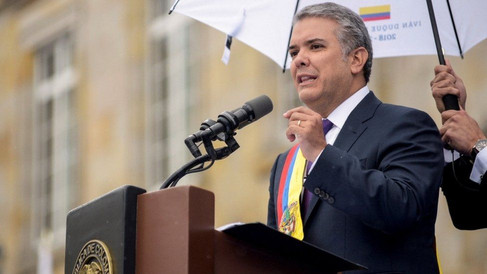


The President Mr Duque did try to make amends and he met with the protestors, however, they didn’t compromise or come up with a deal. This merely fueled the violence.
Like said before, people are worried about opportunities for the future- younger students are sceptical about schooling, college and jobs as the younger generations have become the ones taking charge of the demonstrations. The aim of the protests have moved away from just the new tax law, and people are talking about the country’s future etc.
The Covid Vaccine Inequality
Article by Ananya Nayar

Countries all over the world are currently rolling out the Covid Vaccine and it all seems to be going well. However, our day to day gender, racial, caste, religious discrimination is affecting the Covid immunisation of citizens more than we know. In this article, we’ll explore why, what and how this bias is harmful in many ways including side effects, distribution, cost.
This vaccine (talking all Covid vaccines in general) provides Coronavirus immunity to a certain extent. Each vaccine goes through a series of rigorous trials to make sure it’s effective and that there aren’t any harmful side effects. Usually, years go into developing a secure vaccine- but with this pandemic, there was high demand and pressure for a vaccine and so it had to be formed quickly. Now there are multiple covid vaccines you can take that are offered in every country, but at the same time not to everybody.


Starting with the prevailing gender bias in clinical trials- women were excluded from tests until the National Institutes of Health Revitalization Act in 1933 which ensured all people were included in clinical research. To this day there is still gender bias in these trials, which is evident in our current Covid vaccine. Women report more side effects from the vaccine than men. When people usually get medication or vaccinated, the dosage is based on the weight of the person- whereas here all people receive the same amount of the vaccine regardless of their size.
Likewise, there has not been data to analyse or come up with an answer to see if this vaccine affects pregnancy in any way. As of now, there is no answer. The pandemic has also set back women in a household in various ways, forcing them to take care of their families instead of working like how they would pre-pandemic. This indirectly contributes to fewer females wanting to even take the vaccine or restricting the freedom in the choice of even getting the dose.
Next, we’ll talk about the racial discrimination or hesitation with the covid vaccine. As the vaccine is becoming more available as production of it is accelerating, concerns about the refusal of the vaccine and lack of access are becoming a larger issue.
In the United States, vaccine hesitancy is visible in the eyes of African American, East Asian and Latinx communities- purely based on the history of medical discrimination that these particular minorities hold. Research shows that people of colour are dying of Covid much more in comparison to white people, yet they still turn down offers to take the doses due to mistrust. In April, 64% of black over-50s had been vaccinated compared with 93% of white people of the same age.
In Black communities, medical horror stories are passed on: Dr J Marion Sims’ use of black slave women for gynaecological experimentation and other ghastly tells. In Latinx communities, the mistrust is sourced from histories of forced sterilisations and experimentations on coloured people. This shows the ingrained structures of racism that run so deep with so much history affect everybody and tells us that it will be a long time until we all can be equal.
The last part of vaccine inequality we’ll discuss is poverty. Rich countries like France, England, America and Australia can saviour why jobs afford to vaccinate a person per second, whereas countries like India, Africa, Brazil, Yemen and Indonesia are struggling with the shortage and are forced to pay more for EU vaccines. I’ve written an article on the situation in Africa with vaccine struggles not too long ago, feel free to give it a read! Week #14 articles
Low Fertility Rates and Ageing Population- Its Pros and Cons
Article by Misakian Tomiyama
Taiwan, South Korea, Singapore, Japan and Poland are all countries with low fertility rates.

The fertility rate is the average number of children a woman gives birth to in a country. A low fertility rate, or low birth rate, is the situation in which the total birth rate has been below the level necessary to maintain the population for a considerable period. It is estimated that the fertility rate of a country needs to be 2.1 or above, otherwise the population will start to fall. Taiwan has the lowest fertility rate of 1.07 children per woman, and South Korea with 1.09, Singapore with 1.15, Japan with 1.38 and Poland with 1.39. Fun fact- Niger has a fertility rate of 7 children per woman. (statistics according to statista.com)


In the past, women used to have more children, but this is changing. Many believe is it because many women decide to work now, and fewer women are giving birth to many children.
But you might think to yourself. Why is this a big problem? If fewer babies are born, there is going to be a smaller population, which will help solve overpopulation and decrease carbon emissions. This is true, but the reality is not that simple. If fewer babies are born, there will be an inverted age structure. Meaning there will be more old people than young people. This results in an ageing population.
What are the negative effects of low fertility rates and an ageing population? Let’s think about who pays most of the taxes. The working class, who pays income taxes. So if fewer babies are born, there will be a critically less workforce in countries, which means there are fewer taxes for the government. This will harm the economy, and our society as well, since the government will not be able to invest much in the betterment of society.
Also, elderly people need medical care. Governments have to invest a lot of money to support the elderly, and most of the money comes from the taxes the working class pays. So, compared to the fewer number of people in the working force, there will be a lot of elderly people, who don’t pay taxes. So the smallest group, which is the working force, has to carry the heaviest burden of paying high taxes to support the elderly. Also, more medical personnel are required to support the elderly, but again, this is difficult, because there is a small workforce.

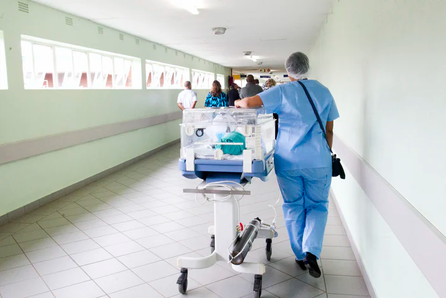


It is not only the tax and medical aspect of society that is getting hurt but the development of the country as well. Since there are fewer workers in a country with low birth rates, there will be less development because there are fewer innovations and technological advancements. A country needs to have young people to fuel the advancement of society.
If you look at the optimistic side of low fertility rates and an ageing population, you will find that the overall decreasing population will result in a lower chance of food scarcity. This is true because fewer people means less food consumption. The supply of food will be higher than the demand.
There will also be less poverty. This is because there are fewer people in the country, and there is more availability of jobs. This means that fewer people become unemployed, so poverty will most likely be decreased. Having a smaller population means the country will be able to be economically strong.
Lastly, a low fertility rate is good for the environment. Overpopulation is a leading cause of many environmental problems in our current world today. If there are fewer people in a country, there will be fewer cars and less smoke, less industrial pollution and more. This can be a great advantage, especially in a world where global warming and climate change are pressing issues.
Animals on the Brink of Extinction and Ways to Help
Article by Ananya Nayar
Endangered animals are species that are under threat, as of 2021, 28% of all assessed species are at risk of extinction. The IUCN red list states that 14-40% of animals under different categories are endangered.
A species can be listed as endangered at the state, federal, and international level. On the federal level, the endangered species list is managed under the Endangered Species Act. This act is important because preserving and keeping animals safe helps maintain a stable food chain and keeps our environment clean to a certain degree as well.
To determine whether a species should be listed on the Endangered Species List the following criteria are looked into.
Has a large percentage of the species' vital habitat been degraded or destroyed?
Has the species been over-consumed by commercial, recreational, scientific or educational uses?
Is the species threatened by disease or predation?
Do current regulations or legislation inadequately protect the species?
Are there other man-made factors threatening the long-term survival of the species?
If the breed falls into one or more of these criteria above they are then put on the list. As soon as a species has been listed as endangered or threatened they receive special protections and funding from the federal government. Some measures that are undertaken are making sure that you need a license or permit to enter certain land where that species may reside, protecting the animal from ‘take’ which is any form of harm, poaching, hunting, trapping, capture or wounding or attempts to do so. Although many governments put many measures to help and preserve a family of animals, often it is not enough. Therefore, you can read, sign a petition or donate to the following sites that will be listed below.
African Wild Dog: 4,000-6,000 left in the wild

These species are most threatened due to habitat destruction which increases human-wildlife conflict. As human populations expand, they settle and build roads in places that Wild Dogs were once able to roam freely in.
In the past, they have also been shot and killed when they roam what is judged to be 'too close to human's homes.
These dogs roam in packs of 10-40 and can be found in sub-Saharan Africa near Tanzania especially.
Amur Leopard: Estimated 60 left in the wild

Amur Leopard's are a rare subspecies that typically reside in the temperate forests of East Russia and Northern China.
They are currently under threat due to shrinking prey tracts and illegal trade. Their fur is a coveted resource and can fetch around $1,000 per pelt.
On the bright side, the number was only 30 in 2017 and 4 years has doubled since then!
Bengal Tigers: Less than 3,000 left in the wild

The Bengal Tiger is a species of tiger native to India, yet they are also found in Nepal and China. These creatures are solitary and travel alone, they mark their territory with their scent.
They are under threat by poaching, and their coat is traded illegally. Habitat destruction also threatens them and when they walk into their territory from before humans settled there they are often shot. Climate change also makes them thirsty or hungry and some die of starvation in a few cases.
Conservations in India are doing a good job at preserving the numbers left in the wild.
Blue Whales: 10,000 remaining

Blue Whales were almost poached to extinction until 1966 when the International Whaling Commission stepped in. Although these massive and beautiful creatures are now not under threat from hunters, climate change and pollution greatly affect their habitat and water temperatures.
https://adopt-us.whales.org/shop/donate-today/ https://www.pacificwhale.org/blog/ways-to-save-the-whales/
Black Rhino: 5,000 left

These species of Rhino are heavily poached by hunters. When mother Rhinos have killed it directly affects their kin because the baby rhinos require their mother's support for years. If they don't have that support the baby Rhino will die too. In the 20th century, they were also hunted extensively by British colonists. They are found in Eastern and Central Africa. Unfortunately, not much is being done to save them. Poachers also hunt them for their ivory, they are also threatened by habitat destruction and human conflict.
What is Mensa?
Article by Misaki Tomiyama

Last week, something amazing was announced. A 2-year-old from California was the youngest American to become a member of Mensa.
Mensa, founded in 1946 in England, is a round table society for highly intelligent people. Mensa translated, means table in Latin. It is an international organisation, consisting of approximately 100,000 members worldwide. The community of Mensa consists of different people of different genders, from different social and economic backgrounds, ages etc. There aren’t any age restrictions, and people from ages 2- 90+ belong to Mensa.

Mensa aimed to create an organisation that is non-political and free from all religious or racial distinctions. They aim “to identify and foster human intelligence for the benefit of humanity, to encourage research into the nature, characteristics, and uses of intelligence and to provide a stimulating intellectual and social environment for its members.”
To get into Mensa, one must have a very high IQ. IQ is intelligence quotient and is determined by a person’s ability to solve problems and understand relations between things. To get into Mensa, one person must be more intelligent and get a higher score than 98% of other people in the standardized test of intelligence.
Mensans, or members of the Mensa, participate in a lot of social, cultural and intellectual abilities. They attend lectures, discussions, gatherings and help teachers who are involved in projects about intelligence or Mensa, and more. Mensa is very diverse and not only consists of doctors or university professors but police officers, truck drivers and military personnel.
Global warming, and how can it affect life after the pandemic?
Article By Mahin Puri

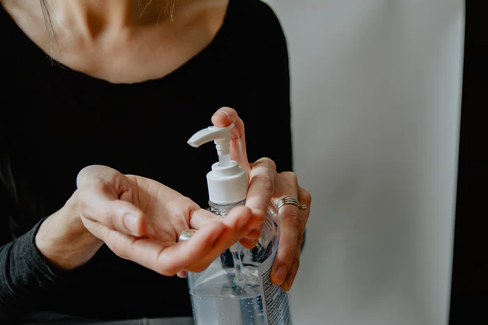


Recently, with the introduction of a global pandemic into our lives, we aren't paying much attention to many problems, such as the ones that climate change and global warming pose to us and how they can affect the way we live after the conclusion of COVID-19. Considering how the pandemic has affected our lives and how important so many things have become, for instance, the usage of masks and a bottle of sanitizer is placed almost everywhere you go.
However, with the coronavirus, these changes are not permanent. In the future, things like masks will probably not be mandatory in our lives. Despite this, should global warming be allowed to grow in the shadow of the current situation, we may have to wear much more than just a mask to be safe from the predicaments that global warming may cause.

To begin with, we know that global warming occurs when carbon dioxide and other air pollutants such as sulfur collect in the atmosphere and absorb sunlight and radiation and then impact the ozone layer, but did you know that at the current rate at which we produce electricity and energy from fuels like coal and oil, we could decrease the ozone layer by another 2% in only 4 years, with 4% being the amount humans have decreased since the 1970s.
Furthermore, the total mass of ozone in the atmosphere is about 3 billion metric tons, which means that the usage of fossil fuels has impacted over 180 million metric tons of the atmosphere, and while the ozone layer is only about 0.0006 percent of the Earth's atmosphere, it is the most vital part of it, because of the protection it gives us from the UV rays from the sun.
This can eventually make it impossible for humans to live on this planet after the year 2060 as the UV rays concentration will be higher and will force all life on this planet to either mutate or go extinct, so it is imperative to look after the planet in every way we can, from trying to cycle or walk when we are going somewhere close by, or even taking a cold shower.

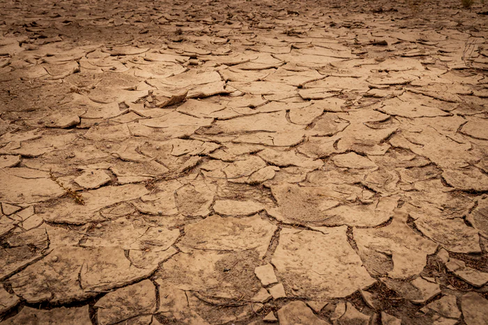


Global warming can also harm ecosystems by increasing temperature, causing water shortages in places that are normally warm, creating droughts, producing fire threats, storm damage and crop damage, so it is imperative to try and care for our environment in any way possible.
Should Female Hygiene Products be Free? (Opinion Piece)
Article By Ananya Nayar

Female’s menstrual cycles are guaranteed, therefore period products are essential. A big debate today questions whether tampons and the like should be made free of cost and be easily accessible. Females will spend up to almost 10 years on their period- that’s 3,500 days of menstruating and more than 10,000 products being used by us in our lifetime. That’s a lot if you think about it. In public schools and places, toilet paper and soap are supplied- however, many activists also believe that menstrual hygiene items should be guaranteed as well. They believe that granting them will reduce absences due to their cycle and destigmatize the shame associated with periods.

Offering free and accessible period products won’t only end the shame integrated but it’ll also be a huge break in the second section of feminism. Overall, providing pads and tampons will help people save more than $5,000 and more in their lifetime. In many developing countries, some people struggle to find a single pad for their period because they can’t access them or they are simply too expensive. Rags, newspapers and recycled tampons are unhygienic products, right? Well, they are used by 1 in 10 women because of the expense placed on menstrual products.
The cost of tampons adds up over time, even though they are essential the tampon tax remains in 35 states of the US. The average tax is 5%, so you pay 35 cents tax in a $7 box. Majority of the US state that tampons and pads register through sales taxes, which exempt groceries and medications and necessities although it doesn’t extend to menstrual supplies.

Another reason for it to be free is that you cannot control periods- and making people pay for something they can’t control doesn’t seem quite right, especially when you put the fact that condoms and other types of external contraception are free when using those products by choice. Without pads and tampons or cups, females are forced to bleed everywhere which isn’t hygienic either.
Earlier this year, Scotland decided to make menstrual products free which in turn is calling out other countries to do the same.
Kid's Articles
When is a pandemic over?
Article by Misaki Tomiyama

We all have all suffered because of the coronavirus pandemic, and I’m pretty sure all of us want it to end soon. But let’s talk about pandemics. Pandemics in general, and when do they end, and how can the government help end it?
A pandemic is “an epidemic occurring worldwide, or over a very wide area, crossing international boundaries and usually affecting a large number of people.” by the WHO.
The WHO will declare a pandemic over if the infection of the virus is contained, or only affecting a small area, and the rate of the spread of the infection greatly drops. The way we can achieve this is by following strict precautions that governments make, and it depends greatly on world leaders. More people have to get vaccinated, stay at home if infected and so on, to stop the spread of the virus.

Governments have three ways of dealing with the pandemic, race through it, delay and vaccine or coordinate and crush. Racing through it involves exposing the population to the virus, and not having any protection. This is dangerous but helps us create herd immunity. One key point to tackle this virus is herd immunity, which is when the population, even if they don’t get vaccinated, are protected because some people are immune (are not affected) to the virus, acting as a barrier between the population and the virus. In the delay and vaccinate method, the governments can slow or delay the spread of the virus, and vaccinate people. Ways of slowing the spread, include social distancing, quarantining for those infected lockdowns and more. Scientists believe that once 40-90% of the whole population receives the vaccination, herd immunity can be created, causing the pandemic to slowly go away.

World leaders can also coordinate and crush, which means that every country comes together and does the same restrictions, instead of having different plans for different countries. If countries could have done this earlier, many people believe that the pandemic could have been over in just a matter of a few months. This is very difficult though, because complete global cooperation is very difficult, so world leaders went with the plan to delay and vaccinate.
Even if the pandemic ends, although very unlikely, the virus has to completely disappear to make sure that the virus doesn’t become worse and becomes a pandemic again.
But, the pandemic will end, one day. The journey may not be the easiest, but it will surely end.
Information credits to TED-Ed
How are Dams Built?
Article by Ananya Nayar
Dams are man-made structures in some water bodies that stop or restrict the flow of water. Reservoirs are created by dams, one side of a dam still has water and the other has fast-flowing rapid waves. These bridge-like things are created for wildlife preservation, water energy, irrigation, human consumption and navigability.


Well, when we see a dam we may ask ‘how are they built?’ Indeed, it seems bizarre as they are built-in rapid, speed water that has lots of force.
Dams are constructed with a variety of strong materials, including brick, steel, concrete, stone. The initial part of building it is creating steps. There are sets of raised steps about 600 mm- the edges of these steps are formed first (typically with stone products like concrete too.) The middle of the walls remain shallow, so they are then filled in with concrete that is further rolled over to compact it. Due to the fact they are built on water, it’s hard to lay down the ground area. Usually, dams are constructed on rocky or sandy areas with a foundation on the bed of the water body. This is mere because it needs a bearing to carry the weight of the dam without it slipping. The pillars and walls of the dam have to be sturdy and able to resist water pressure- this is achieved by drilling holes into the rock and pumping in the grout which then spreads outwards to fill cracks over time.
What’s in the Air We Breathe?
Article By Misaki Tomiyama

When we breathe, we inhale the air around us and exhale. Our lungs and our whole body work when we do so. When we breathe, our lungs expand, and around 26000000000000000000000 (26 sextillions) molecules are inhaled. In these very many molecules, there are compounds, some of them made a few days ago, and some even made billion of years in the past. Fun fact- the air we breathe is likely the air exhaled by people who we studied in history, from ancient China and the renaissance.
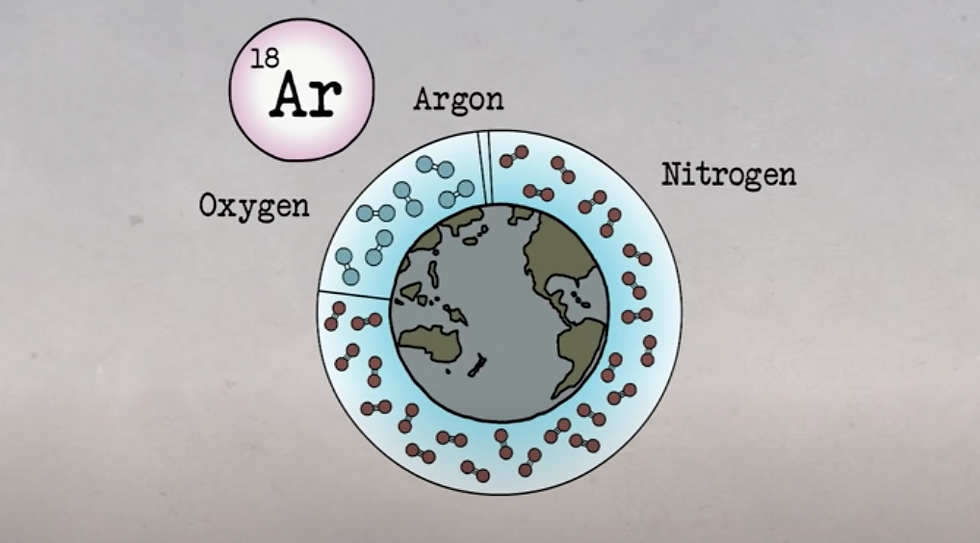
78% of the earth’s atmosphere is made of nitrogen, which is made by volcanic activity way inside the earth’s crust. 21% is made of oxygen, which has a long history. Its molecules have been there on earth since there were Earth’s oceans, but its gas form wasn’t there until microorganisms in oceans produced it. The remaining air, more specifically 0.93% is argon, made from a complex radioactive decay of potassium, inside the earth. All of these together make up 99.93% of each breath you take, which is dry. And when it’s not dry, it’s wet, or has some moisture in the air, depending on where you are.
Now, let’s talk about the 0.07% of the air that is remaining. This is a complicated and confusing combination of pollen, fungal spores, liquid droplets, gases like methane and carbon dioxide etc. The amount of these particles inside the air, changes from place to place, for example, if you go to an area near a factory, you might inhale more carbon dioxide (inside that 0.07%) but if you go to a garden with more flowers, you might inhale more pollen (inside that 0.07%). But no matter where you may be, there will be some amount of man-made pollutants like carbon dioxide, which is very dangerous, as this may cause lung diseases, cancer and more. This is why we say carbon dioxide is bad for the human body, and we need to limit the emissions by man-made objects.

There are two main types of pollutants (a substance that pollutes something)- primary pollutants and secondary pollutants. Primary pollutants are the pollutants directly emitted from man-made or natural objects. Man-made objects like factories or cars, and natural objects may include fires and volcanic eruptions. The weather patterns and air circulation can spread these pollutants to a lot of places. Sometimes, when this air travels, transformations or changes can occur in them. Oxidants, substances formed by oxygen and sunlight, break down the pollutants in the travel. They can weaken the original pollutant, or make them more dangerous and toxic. This results in the creation of secondary pollutants.
These secondary pollutants are very harmful to both the human body and the earth, as it results in climate change and global warming. The development of humans and the invention of cars, and smoke from factories are changing the air we breathe in. But because of technology, people are making this less severe, and countries need to make laws that prevent more pollution.
Information from TED-Ed
Other Articles
This Week in History
Article Ananya Nayar
24th-31st May in History!
On the 25th of May 1787, which was four years after the US won its independence from England, the 55 state delegates arranged a meeting in Philadelphia to compose a new US Institution.

They then elected former war hero- George Washington, presenting as a delegate from Virginia as the convention president.

Just last year on this date, George Floyd was murdered by a white policeman on the evening of the 25th May 2020. He was suffocated and lost consciousness in 10 minutes. The death ignited what now seems to be the largest protest movement against racism in the US. People from around the world united to end racism once and for all-and due to the pandemic and most things being online hashtags and footage were circulated saying ‘Black Lives Matter’ or ‘I Can’t Breathe.

On the 26th of May 1924, American President Coolidge signed the Immigration Act of 1924 that reflected the desire of Americans to isolate themselves after fighting World War 1. Under the law, immigration remained open to those with a college education or special skills, however, entry remained blocked for Mexicans, Southern Europeans, Japanese and Eastern Europeans.
The date is 1939, 27th May and a ship carrying almost 1,000 Jewish refugees, fleeing from Nazi persecution are forced to turn away in Cuba. The refugees were denied entry into the United States and Canada and so had to withdraw and sail back to Europe where they were further distributed in Britain, France and other European countries.

The vehicle company 'Volkswagen' was founded on this date (28th May 1937.) The Government of Germany that was controlled by Adolf Hitler back then formed a state-owned automobile company. The Volkswagen car sales became sold in the US, UK and other parts of the world much later because of the tension from previous wars.

Edmund Hillary and Tenzing Norway are two people we’ve all probably heard about. They’re so well-known because of their mountain climbing achievements! On the 29th of May 1953, the two men finally reached the summit of Mt. Everest- the world’s tallest mountain that sits in the Himalayas. The two explorers climbed more than 29,000 feet above sea level to touch the summit. After people realised that climbing the landform was possible, thousands followed.
However, the mountain is dangerous because of the many glaciers, storms, low altitudes, cold and wind which have killed in the past.

Have we heard of Joan of Arc? Well, she was born in 1412 and played important roles in the war. At this time, women were ridiculed and the expectation for a woman was little. Joan dressed up in men’s clothes and with other soldiers accompanying, she paid a visit to Dauphin’s castle to propose a mission. At first, she was scorned but the army considered her ideas and approved them. She furnished an army and set out with her French troops to battle England. She inspired the French to heavy resistance and led many charges.
Well on this date- 30th May 1431, she was burned at stake (assassinated.) At Rouen in English-controlled Normandy, Joan, who became the saviour of France, was burned for heresy.
She was tried for witchcraft and at 19 years old, she died.
Book and Movie Reviews
By Mahin Puri
Book(s) of the week: Ned’s Circus of Marvels by Justin Fisher


Just a few pages into this book and you will fall into the deep, entrancing world of Ned, and his friends in the flying circus. I remember reading this book a few years ago and it was a wonderful journey filled with fantasy and magic. There were quite a few things I enjoyed about the series, especially with the characters, all of them having an interesting and vivid backstory and many of which were easy to relate to and understand. As well as that, the book was very well-paced, and the events that occurred in the book seemed to all flow together seamlessly.
The story itself is about how Ned an ordinary boy who is into mechanical creations, learns on his thirteenth birthday that everything magical he’s ever known or imagined is real, and he is engulfed into the world of magic and marvels, yet the most interesting thing is the twist to the story, and how without him, the world will soon be overridden by monstrous beasts and evil beings. Overall this is a great read, it is well defined and also marvellously portrayed by the author. I would recommend this book to anyone who enjoys reading fantasy, adventure, magic and airships -it’s a rather good read!
Age Recommendation- 9+
Rating out of Five Stars- 4/5
Movie of the Week- The One and Only Ivan
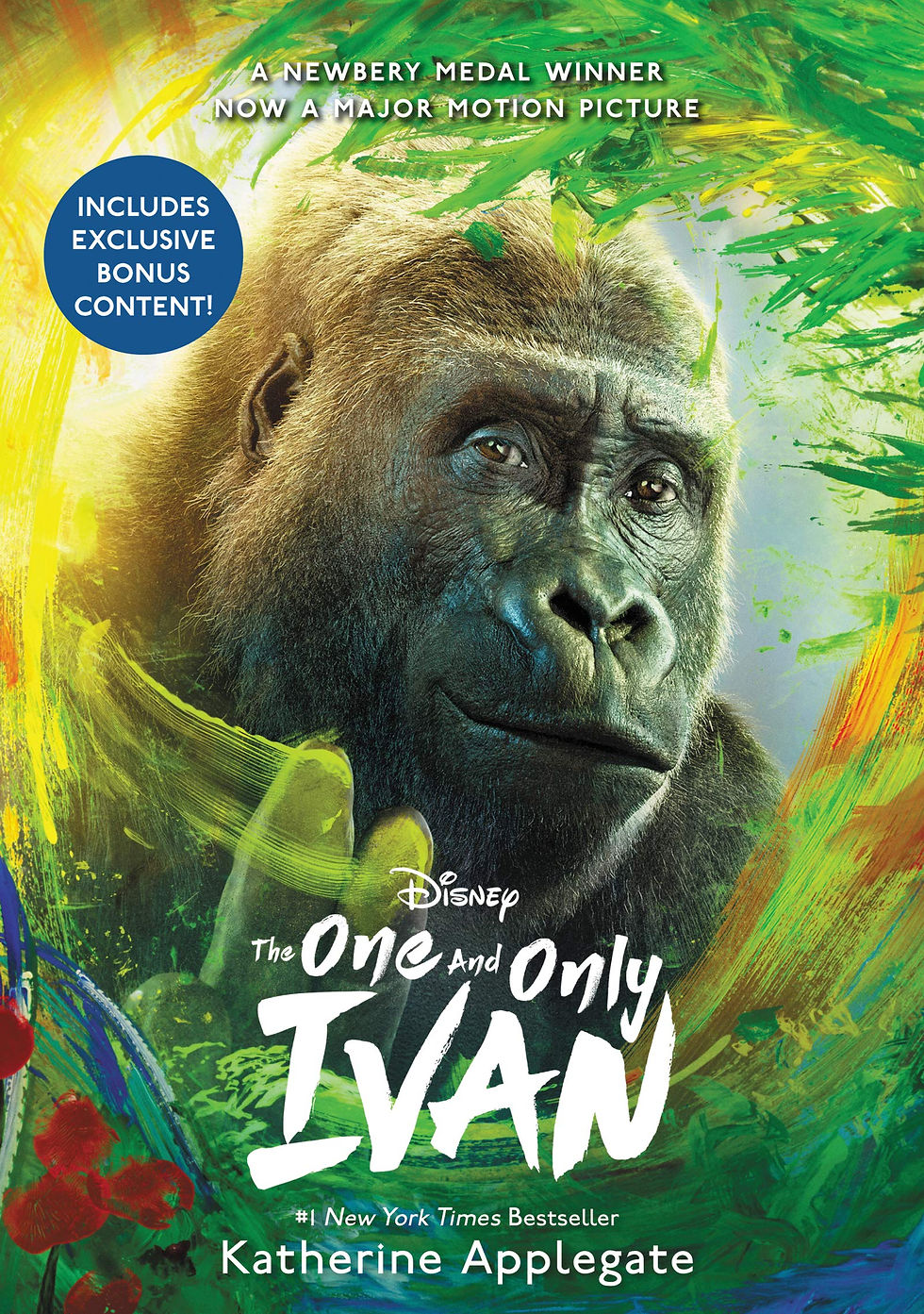
This movie is great to watch, is truly heartwarming and sweet and is just a touching story about a gorilla named Ivan, his dog friend and elephant friends and how Ivan sets off on a beautiful journey to find his identity. I liked The One and Only Ivan as a book but as a movie, it might just be better, and the visual representation of the story brings life to Ivan’s journey. Something I have always liked about movies that use CGI is how realistic they make things seem, and this movie is no exception, with the Big Mall just how I imagined it and the characters almost exactly as I first thought of them when reading the book. In all, it's an uplifting and nice movie to watch and is recommended for all ages.


Comments