Feminism and Female Empowerment: History and Opportunity
- The Bulletin Buzz

- Nov 30, 2020
- 5 min read
Article by Ananya Nayar, Website edited by Misaki Tomiyama

You may ask, what is Feminism? Well, Feminism is a range of social and political movements to empower women and make sure that women are equal and have the same rights as men. You do not have to be female to be a feminist!!
Feminism is manifested worldwide and part of the United Nations equality SDG goal. It’s all about letting women have the ability for doing what they want to do, without restrictions due to their sex and making sure women have the capability to do and make as much money as men. No, it is not for women to be more empowered than men, it is for women to be treated equally, to not be sexualised and to have respect. Feminism affects our modern world in defining the right for women to have control of their own body, greater access to education, equal pay as men, the right to initiate and go through with legal proceedings, have positions in power, have the ability to work in whatever industry or job they prefer, reproductive rights (a woman has the choice if she wants to carry a baby or if she wants to have an abortion, also a sub-division of the pro-choice movement.)

The freedom of women is a movement that has been fought for several decades, in the past women were almost considered invisible, and female empowerment makes sure women are noticed and that what women want or love can be easily pursued by them. The word ‘feminism’ was derived by a French socialist- Charles Fourier who described women’s liberation in a foreseeable, utopian destiny using ‘feminisme.’
Even though there have already been large changes in our modern-day society regarding the rights of women, securing this remains elusive, almost 50% of doctors in our developed countries are women, more females than males have started graduating colleges, more than 70 countries have had women in high leadership positions in the Government, and in 8 countries women have the same guaranteed rights as men.
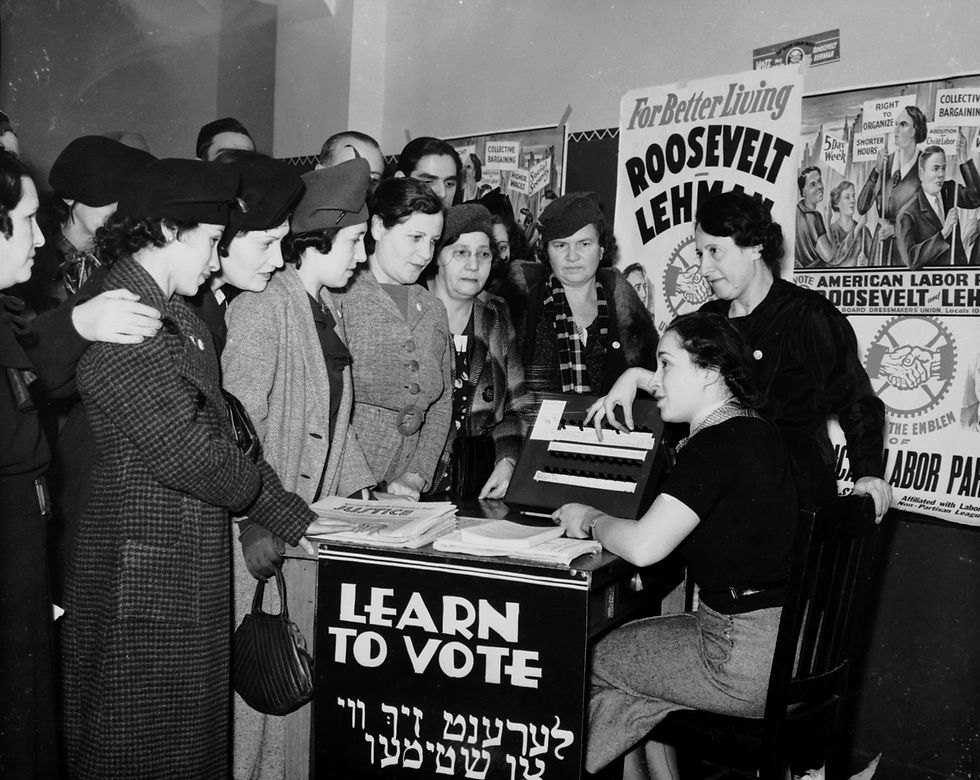
Inequality of genders has been a major issue, in fact, been around for more than a decade- the revolution started precisely in 1848.In New York during the 1850s, women started protesting for the right to vote in elections, at first, this idea was humoured and mocked, but a campaign began.
New Zealand was the first country to provide women with the right to vote in 1893- after these rights were secured in more developed countries the second wave of feminism began. In the 1850s-1860s, feminists demanded the right for education, labour and electoral rights. The 19th-century woman was expected to go about her duties and requirements of cooking, cleaning, looking after the family and other household duties.
During the second world war, and in the 1940s, women were allowed to hold military positions and earn the same pay in this sector. WW2 women started to also hold traditionally male positions in the typical household whilst their husbands were fighting on the frontline. They worked to build weapons and transport and became engineers, mechanics, architects, nurses. The female gender was allowed to work in factories, become conductors, bus drivers and perform the ‘typical men’s jobs.’ The US’s force in WW2 consisted of 350,000 women too, which was considered a huge step for society.

However, the war ended and the men returned, despite encouraging women to play the traditional roles men did, women were forced to retire and focus on domestic duties once again. The 1950s depicted the ideology that a woman's duty is to take care of household duties, and this was shown extensively in popular TV programs and in advertisements. By the 1960s, a woman required her husband’s signature to go through with something and less than 7% of doctors were women. If a woman became pregnant, it was legal to sack her. There was a significant pay gap too, for every dollar a man makes, a woman would earn 60 cents.
During the mid-60s, there was the birth control pill, women had the choice if they wanted to have children or not and could focus on creating their individual careers. However, it had long been normalised and glorified that a wife’s responsibility was taking care of her family.
A revolution for female empowerment became more powerful when the civil rights movement in America started, demanding equal rights for all races. This was an opportunity for women to speak out for their rights too. In 1964, the Civil Rights Act was signed by the President of the US, stating it is “unlawful employment practice to discriminate against an individual because of race, colour, religion, sex, or national origin.” This act sparked empowerment for countries internationally too, and inspired more activists for equality in global countries.
Although this allowed more freedom and diversity, there was still injustice, change wasn’t easy.

Image from now.org
The 1970s brought about NOW- the National Organisation for Women, to liberate women on another wave of empowerment.
Sirimova Bandaranaike was elected the first female leader in Sri Lanka, and the first female leader worldwide. Indira Gandhi was the first and only female prime minister of India, to date, elected in 1966. Golda Meir led Israel in 1969. 1979 had Margaret Thatcher as the prime minister of the United Kingdom. Inspiring females in positions of power inspired more women around the world to speak up about the injustice they faced and fight for female rights.
A decade later in 1970, women were making more than 40% less than men, even worse than the 1960s pay gap. 3% of developed countries' congress now consisted of women.
The 1980s pay gap remained the same. The Equal Rights Amendment was proposed in the US but fails. The 2000s had a 30% pay gap between women and men.

The internet allowed women to share their experiences of unequal pay, sexual harassment, persecution worldwide, encouraging more and more females to share their stories.
Movies inspired and promoted the suffragette movement, the new generation started to speak up and use their voices. Yet many countries in far-flung spaces around the world like Yemen and India, and other developing countries have not yet achieved a little bit of what more developed countries like the UK and US have achieved with the feminism movement.

Many people are worried that the CoronaVirus pandemic may slowly reverse the efforts of gender equality, since being stuck at home has led to women doing more household chores and looking after the family. Everything that has occurred for the movement is being undone within a year, and many think that the pandemic will pose a risk of going back to the gender stereotypes present in the 1950s, where women were only seen as housewives. The pay gap is becoming more significant, there is more domestic abuse since lockdown measures have kept victims with their abusers in their houses, household stereotypes because of the lockdown worldwide. Many women have decided they may also not return to their offices and places of work after the pandemic, which will set back efforts to the 19th century, more than a century ago.

This shows that even though so much has been done in the past century for female rights and gender equality, the goal is not yet achieved. There is a yet significant pay gap present between men and women all over the world, women still get sexualised and objectified on a daily basis, experience sexual harassment, domestic violence every day, there is much injustice and discrimination present, the misconception of the suffragette movement and the mindset that women shouldn’t get the choice for what they want to do with their bodies and their future and employment. We are expecting to see the movement moving away from politics, and become more related to the community, society’s perspective of an ideal woman, empowerment and confidence.


Comments